
Pros and Cons of Different Shower Head Types

As a bathroom design consultant, the most frequent question I receive from clients is, "Which shower hardware is actually the best?" The professional truth is that there is no universal "best" fixture. The ideal hardware depends entirely on your home's water pressure, your structural layout, and your daily hygiene routine. Let's cut through the marketing jargon and comprehensively analyze the five distinct categories dominating the modern plumbing industry.
Renovating a bathroom is a significant financial investment, and the water delivery system acts as the functional centerpiece of the entire room. Choosing the wrong fixture can lead to years of frustrating, low-pressure mornings. Conversely, selecting the perfect piece of engineering can transform your daily wash into a five-star, deeply restorative spa ritual. Below, we break down the definitive pros, cons, and specific use-cases for today's top shower technologies.
1. LED Chromotherapy Shower Heads

Historically, integrating lighting into a shower enclosure required hiring expensive electricians and pulling specialized waterproof permits. The modern led shower head completely bypasses this headache. By utilizing an internal micro-hydro generator, these brilliant fixtures use the physical flow of the water itself to power internal LED lights—meaning zero batteries and zero wiring are ever required.
Many premium models act as visual thermometers, changing color based on the exact temperature of the water (e.g., blue for cold, green for warm, red for dangerously hot), while others cycle through a spectrum of colors designed for chromotherapy (color wellness therapy).
Why to Use It
Choose an LED fixture to create a fun, high-tech ambiance, to introduce mood-boosting chromotherapy to your wellness routine, or to provide a highly visible, safe temperature warning system for households with young children.
Pros
- 100% hydro-powered; absolutely no batteries or dangerous electrical wiring required.
- Provides an excellent visual safety cue to prevent accidental scalding.
- Creates a deeply relaxing, moody atmosphere when main bathroom lights are dimmed.
Cons
- Internal micro-turbines can sometimes emit a very faint humming noise during operation.
- If you have extremely hard water, mineral buildup can eventually jam the turbine, requiring a vinegar soak.
2. The Classic Rain Shower Head
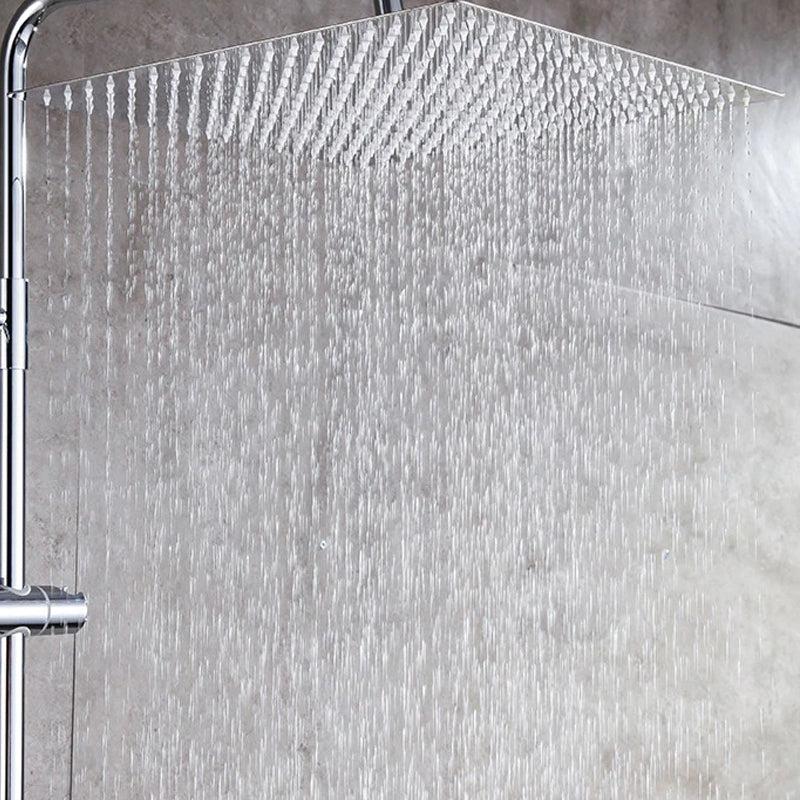
Nothing has dominated luxury bathroom design quite like the overhead canopy. A dedicated rain shower head is designed to replicate the sensation of standing in a gentle, warm, natural downpour. Instead of a highly pressurized, angled jet of water hitting your chest, these wide fixtures utilize gravity to drop large, heavily aerated droplets straight down.
Available in round, square, and ultra-thin profiles, these fixtures instantly signal opulence and are a staple in high-end hotels. They are typically available in sizes ranging from 8 inches to 12 inches wide, ensuring excellent shoulder-to-shoulder coverage.
Why to Use It
Install a standard rain shower head if your primary goal is passive, full-body relaxation and stress relief, and you want to establish a highly minimalist, luxury-spa aesthetic in your master bath.
Pros
- Provides incredibly immersive, full-body thermal warmth without harsh stinging.
- Visually striking; instantly elevates the perceived architectural value of the bathroom.
- Softer water droplets are much gentler on highly sensitive skin.
Cons
- Noticeably lower physical pressure makes rinsing thick hair time-consuming.
- Requires robust household water pressure (ideally 50+ PSI) to prevent the water from simply drizzling out of the center nozzles.
3. The Immersive Rainforest Shower Head
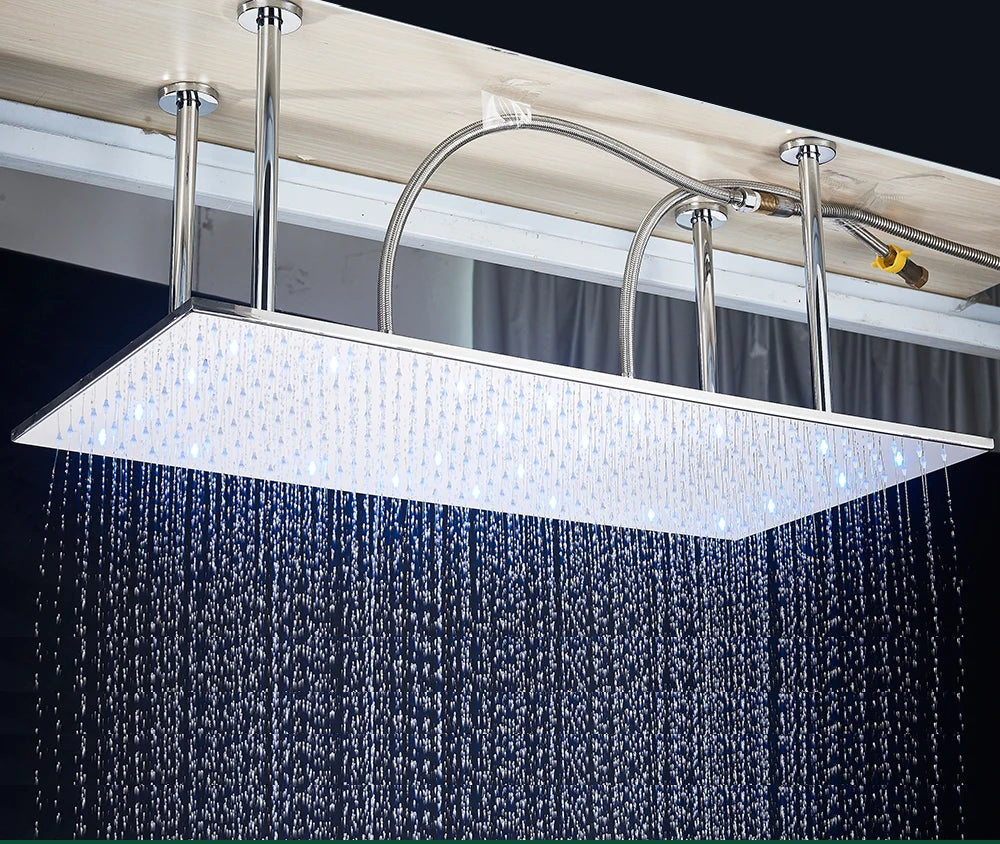
While often confused with a standard rain head, a true rainforest shower head takes the experience to the extreme maximum. These are massive, often ceiling-flush-mounted fixtures that can stretch 16 inches, 20 inches, or even wider across the ceiling. They are designed to completely engulf the bather, mimicking a heavy tropical storm.
Because of their immense size, these fixtures often incorporate multiple spray zones (like a misty inner ring and a heavy-droplet outer ring) and are the ultimate statement piece in a custom-built, oversized walk-in shower enclosure.
Why to Use It
Choose a rainforest head when you have a massive walk-in shower enclosure and want the absolute pinnacle of luxury, completely eliminating "cold spots" by ensuring water hits every inch of your body at once.
Pros
- The absolute maximum water coverage available in residential plumbing.
- Creates a breathtaking, custom architectural look when flush-mounted to the ceiling.
- Zero cold spots; you never have to turn around to warm your back.
Cons
- Due to the massive volume of nozzles, it consumes hot water very rapidly.
- Ceiling mounting requires a licensed plumber to run heavy copper pipes through the joists.
4. Eco-Friendly Water-Saving Shower Heads

As municipal water costs rise and environmental regulations become stricter, conservation is a top priority for modern builds. In the past, "low flow" meant accepting a miserable, weak trickle of water. Today, fluid engineering has solved this. A premium water saving shower head utilizes advanced bionic and air-injection technology.
These fixtures forcefully pull ambient air into the internal chamber, mixing it with the restricted water flow. This artificially inflates the size of each water droplet. The result is that you experience the physical sensation and velocity of a high-pressure shower, while actually significantly cutting your total water consumption.
Why to Use It
Mandatory for eco-conscious households, homes located in drought-prone regions, or large families looking to significantly slash their monthly water and water-heating utility bills without sacrificing water pressure.
Pros
- Drastically reduces annual municipal water bills and gas/electric heating costs.
- Air-injection technology maintains a powerful, satisfying spray velocity that feels high-pressure.
- Environmentally responsible choice that meets strict municipal building codes.
Cons
- The physical volume of water is less, meaning it may take slightly longer to wash out very thick hair.
- Air-injected droplets can cool down slightly faster as they fall through the air compared to solid streams.
📖 Planning a Rainfall Setup? Placement is Everything.
If you have decided that an overhead canopy is right for your bathroom, simply screwing it onto the wall isn't enough. You need the proper architectural clearance. Learn exactly how to calculate the perfect rain shower head distance from wall in our comprehensive installation guide to ensure you aren't pressed against the cold tile.
Our Factory Quality Guarantee
All of our faucets and shower products undergo a thorough water test at the factory before shipping to ensure proper functionality and quality. As a result, you may notice a small amount of residual water, moisture, or minor water spots when you receive your product. This is completely normal and does not mean that the product has been previously used or returned. Any water spots can be easily wiped clean with a soft, damp cloth.
Make Your Selection with Confidence
Upgrading your bathroom hardware is a deeply personal choice that dictates how you begin and end your day. Whether you crave the enveloping luxury of a massive rainforest canopy, the high-tech visual cues of an LED system, or the brilliant engineering of an eco-friendly aerator, understanding these core pros, cons, and structural requirements ensures your investment will deliver years of flawless performance. Assess your water pressure, identify your daily needs, and elevate your routine today.