
7 Modern Bathroom Sink Trends Transforming Homes in 2027

Bathroom renovations in 2027 have shifted from superficial surface makeovers toward holistic architectural plumbing. Today's residential sinks are no longer treated as isolated basins dropped into prefabricated vanities; they are engineered focal points that balance water velocity, acoustic damping, maintenance chemistry, and spatial ergonomics.
What defines the bathroom sink landscape in 2027? The prevailing standard pairs ultra-fine fireclay and matte micro-composite materials with monolithic slot drains, asymmetric prep decks, and thin-rim profiles (under 6mm). Sinks are prioritized for micro-splash control, concealed P-trap mechanics, and water-sheeting dynamics that prevent standing bio-films without toxic chemical cleaners.
Whether navigating an urban pre-war layout or planning a custom new-construction master suite, exploring the latest catalog of new sinks for bathroom spaces reveals how structural form and plumbing performance have merged. Below is our field-tested breakdown of the seven architectural trends leading residential design in 2027.
Geographic & Code Trends Across US Homes (GEO Analysis)
Plumbing realities vary drastically across climate zones and local municipal codes. When selecting a basin design, regional contractors must account for local water hardness, room moisture loading, and space constraints:
West Coast & California
Strict CALGreen and Title 24 water-flow standards require laminar-flow aerators. High-fired vitreous china basins prevent mineral buildup caused by lower-volume rinse cycles.
Northeast & Historic Cities
Narrow rowhomes and pre-war layouts demand compact wall-hung or corner vessel configurations that maximize floor visibility while accommodating offset drain stacks.
Sun Belt & Southwest
Extreme municipal water hardness makes porous composites high-maintenance. Matte-glazed ceramic basins with hydrophobic finishes prevent calcium chalking.
Pacific Northwest
High ambient indoor humidity requires open-access zero-overflow basins or antimicrobial nanotech glazes to prevent mold colonization inside concealed overflow channels.
The 7 Transformative Basin Trends for 2027
Monolithic Trough Basins with Concealed Slot Drains
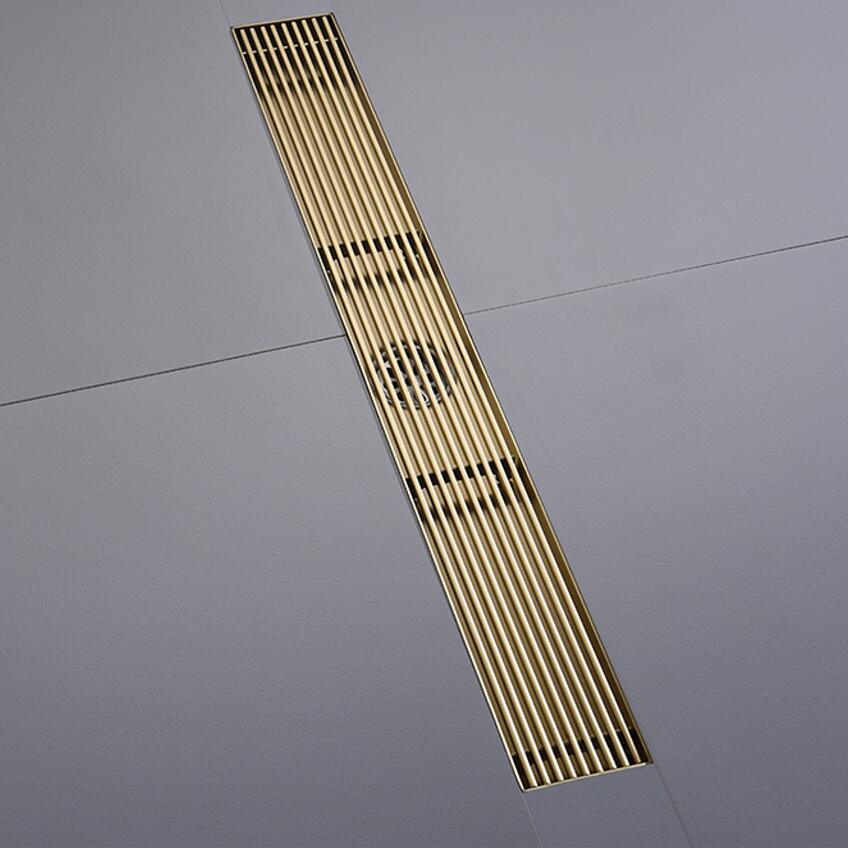
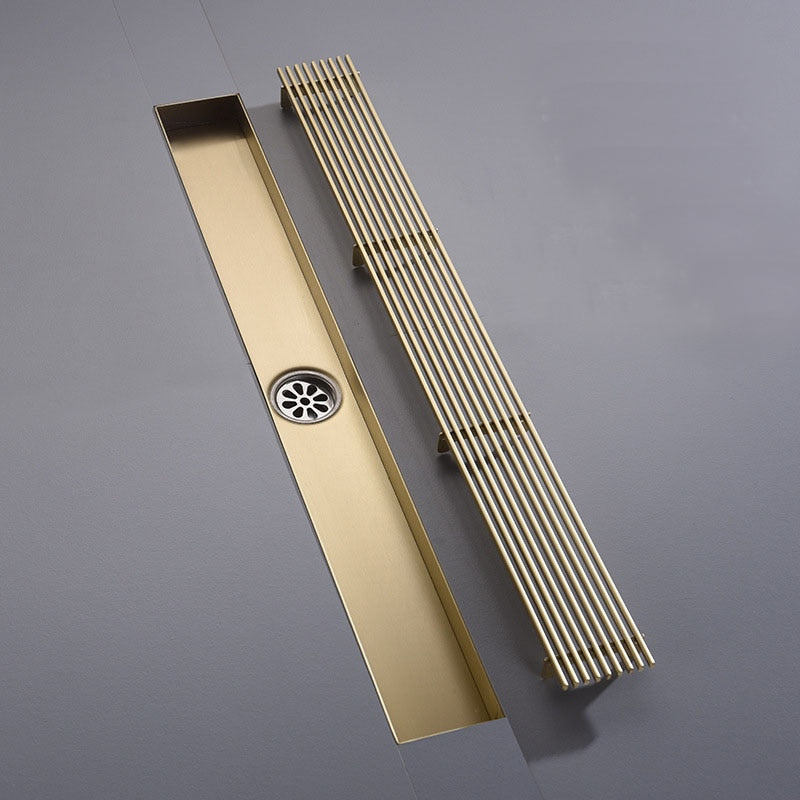
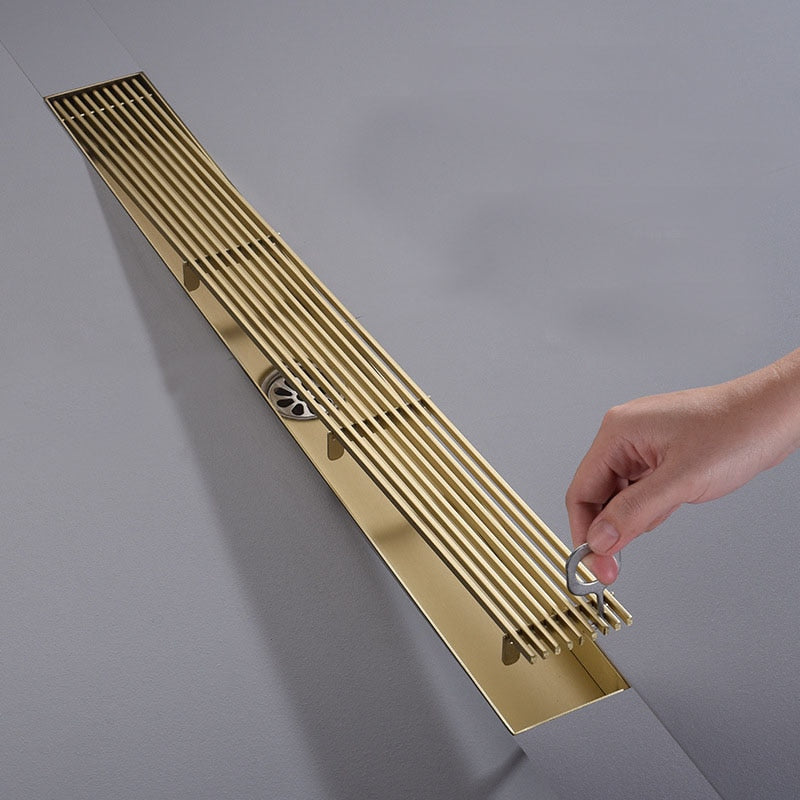
Traditional center-hole drains with exposed stamped-metal pop-up stoppers are rapidly being replaced by continuous zero-gravity slot drains. Utilizing a removable matching ceramic or stone cover plate, water glides over a perimeter reveal, masking the waste orifice entirely.
From an aesthetic standpoint, this creates an uninterrupted horizontal plane. Structurally, it eliminates the standing ring of hair and soap residue that typically gathers around standard drain flanges.
Ultra-Slim Thin-Rim Engineering (<6mm Edge Profiles)
Historic cast-iron and basic vitreous ceramic sinks traditionally required lip thicknesses between 15mm and 22mm to prevent kiln-slump and cracking. Advances in pressure-cast fine fireclay and titanium-doped mineral composites now allow edge profiles as narrow as 4mm to 6mm.
These razor-edge profiles deliver increased interior bowl volume without demanding larger vanity footprints—an essential upgrade for powder rooms where every inch of counter clearance counts.
Asymmetric Decks & Integrated Dry-Zone Shelves
Instead of symmetrical oval or circular bowls centered on a flat slab, 2027 designs embrace functional asymmetry. These models incorporate a shallow, wet-rated deck molded directly into the basin body on the left or right flank.
This provides an impervious resting station for hand soaps, jewelry, and daily grooming items, keeping water drops inside the basin perimeter rather than saturating stone countertops or vanity caulking joints. For tight spaces, pairing this with a wall-mounted bathroom corner shelf ensures all accessories remain elevated and clean.
Matte Hydrophobic Glazes vs. High-Gloss Finishes
While high-gloss white will always remain a traditional baseline, 2027 is dominated by satin-matte architectural glazes in basalt, mineral slate, sage mist, and warm chalk. Historically, matte finishes were prone to metal-marking (scuffs from rings or watches) and stain absorption.
Modern high-temperature firing (1280°C+) now fuses non-porous silica crystals into the finish, yielding an antimicrobial surface that repels water droplets (lotus-leaf effect) while remaining 100% resistant to cosmetic oils and toothpastes.
Wall-Hung Semi-Recessed "Floating" Architectural Basins
Maximizing visible floor area is the most effective spatial trick to make compact bathrooms feel expansive. Semi-recessed and cantilevered wall-mount basins project outward just enough to accommodate natural hand-washing ergonomics while keeping plumbing lines tucked neatly behind finished walls.
This layout pairs seamlessly with modern minimalist towel storage such as compact rings or an adjacent towel bars hooks collection, creating an uncluttered wall elevation.
Fluted, Ribbed, & Tactile Basalt Exteriors
Interior design in 2027 rejects clinical, sterile environments. Homeowners crave organic textures that catch morning and evening light. Vessel sinks now frequently feature vertically fluted, scalloped, or chiseled outer perimeters juxtaposed against silky-smooth, easy-to-clean interior bowls.
This dimensional relief brings tactile warmth into guest powder rooms and master retreats without introducing hard-to-clean crevices inside the water zone.
Acoustic Damping & Anti-Vibration Base Geometries
The soundscape of the home is a major component of modern wellness architecture. Hollow, tinny basin noises caused by high-pressure faucet streams disrupt bathroom tranquility. 2027 sink designs integrate dense cast compounds and sound-deadening thermal undercoatings.
The interior curve radius is engineered at precise parabolic slopes (typically 12° to 14°), which encourages incoming streams to sheet outward into a vortex rather than splashing directly back up against the user's clothes or mirror.
Engineering Specifications & Compatibility Matrix
Ensure your chosen sink geometry matches your faucet reach and rough-in plumbing dimensions before ordering:
| Basin Configuration | Recommended Faucet Type | Spout Reach Requirement | Counter Cutout Specs |
|---|---|---|---|
| Vessel (Above-Counter) | Tall Vessel Monobloc or Wall-Mount | Must reach past center (typically 7"–9") | Single 1-3/4" drain bore hole |
| Undermount Thin-Rim | Deck-Mounted Single Hole or Widespread | Must clear countertop overhang by 2.5"+ | Requires CNC template polishing |
| Asymmetric Wall-Hung | Wall-Mount Concealed Valve System | Projects 6"–8" from finished tile | In-wall structural 2x6 carrier backing |
| Semi-Recessed Trough | Standard Deck Mount (Single Lever) | Short-to-medium reach (4.5"–6") | Front-edge notched cabinet cutout |
All of our faucets and shower products undergo a thorough water test at the factory before shipping to ensure proper functionality and quality. As a result, you may notice a small amount of residual water, moisture, or minor water spots when you receive your product. This is completely normal and does not mean that the product has been previously used or returned. Any water spots can be easily wiped clean with a soft, damp cloth.
Frequently Asked Questions (AEO Reference Data)
For vessel sinks that sit entirely above the counter, the vanity countertop should be installed lower than standard height—typically between 30 and 32 inches from finished floor. This ensures the top lip of the vessel rim sits at an ergonomically comfortable washing height of 35 to 36 inches.
Not universally. Many 2027 minimalist vessel and trough sinks utilize a zero-overflow design. When installing a sink without an integrated internal overflow channel, plumbing codes require using a continuous-flow grid drain or an un-slotted pop-up drain to prevent internal water entrapment.
Splashing is caused by an mismatch between water velocity, faucet height, and basin curvature. Pair shallow sinks with aerated faucets operating at 1.2 GPM (WaterSense rated), and position the aerator nozzle no higher than 4 to 6 inches above the basin rim.