
Bathroom Towel Holders vs. Heated Towel Rails: Which Is Best for Your Bathroom?

Step out of a hot shower in the dead of winter, and the first thing you reach for is a towel. If that towel is damp, musty, or sitting bunched up on a crowded hook, your morning relaxation instantly evaporates. In high-traffic USA bathrooms, the battle between soggy textiles, slow drying, and limited wall space is a daily headache.
When upgrading your bathroom linen storage, homeowners typically face a crucial choice: do you stick with passive, classic hardware, or do you upgrade to active thermal technology? Understanding the practical differences between conventional bathroom towel holders and an electric vertical heated towel rail is the key to creating a clean, organized, and spa-grade sanctuary. In this 2027 comparative guide, we break down costs, spatial efficiency, drying performance, and installation requirements to help you decide which fixture belongs in your home.
"Our master bathroom had zero horizontal wall space for a traditional ladder rack, leaving our bath sheets draped over the glass shower door where they stayed damp all day. We installed an electric vertical heated rail right on the 10-inch sliver of wall next to the shower, while keeping sleek matte black towel rings by the double vanity. Having a warm, dry towel waiting every single morning completely elevated our daily routine."
Passive vs. Active: The Core Towel Storage Dilemma
Every bathroom requires functional linen storage, but how your fixtures handle moisture makes all the difference. Traditional hardware—including horizontal towel bars, robe hooks, and vanity rings—provides passive storage. They hold your towels suspended in room-temperature air, relying entirely on natural airflow and bathroom ventilation fans to evaporate moisture.
In contrast, an electric heated rail delivers active thermal drying. By generating safe, low-wattage radiant heat directly along the rail, it drives moisture out of thick cotton fibers within minutes. This stops bacteria and mildew from developing, meaning your towels stay fresh for days between laundry cycles while providing the unmatched luxury of a warm wrap right after bathing.
The Case for Traditional Bathroom Towel Holders

Conventional non-electric towel hardware remains a staple for modern renovations due to its simplicity, versatility, and minimal budget requirements. Quality bathroom towel holders include:
- Horizontal Towel Bars: The classic 24-inch or 30-inch bar allows bath sheets to hang completely flat, maximizing natural air exposure.
- Vanity Towel Rings: Compact, geometric loops mounted within arm's reach of the sink basin to keep hand towels off wet countertops.
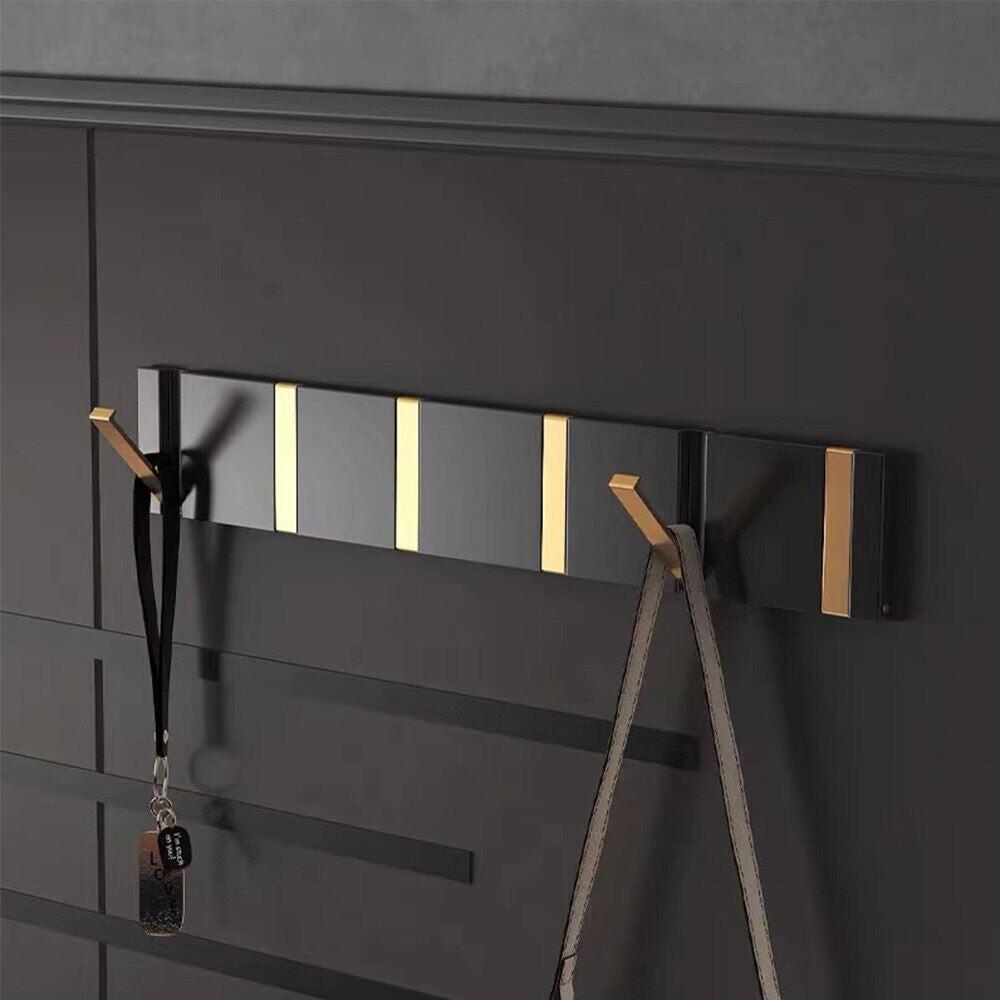
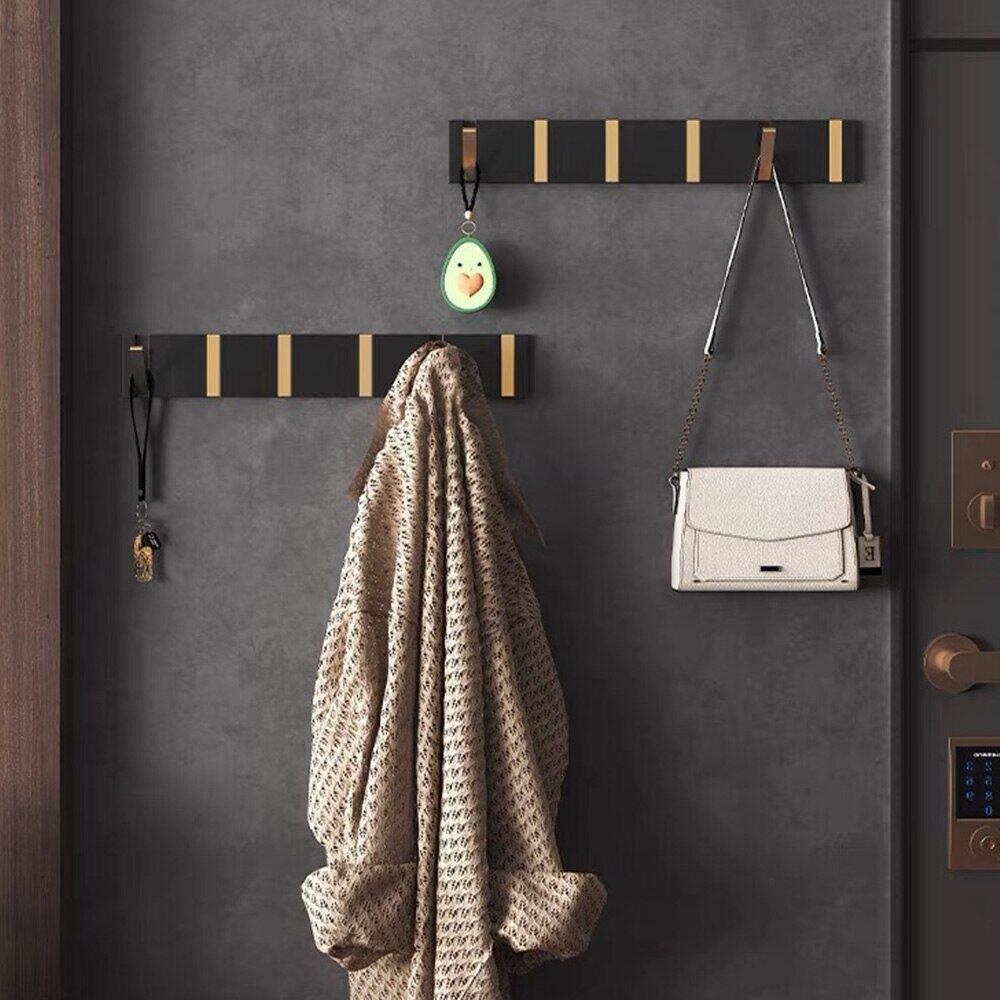
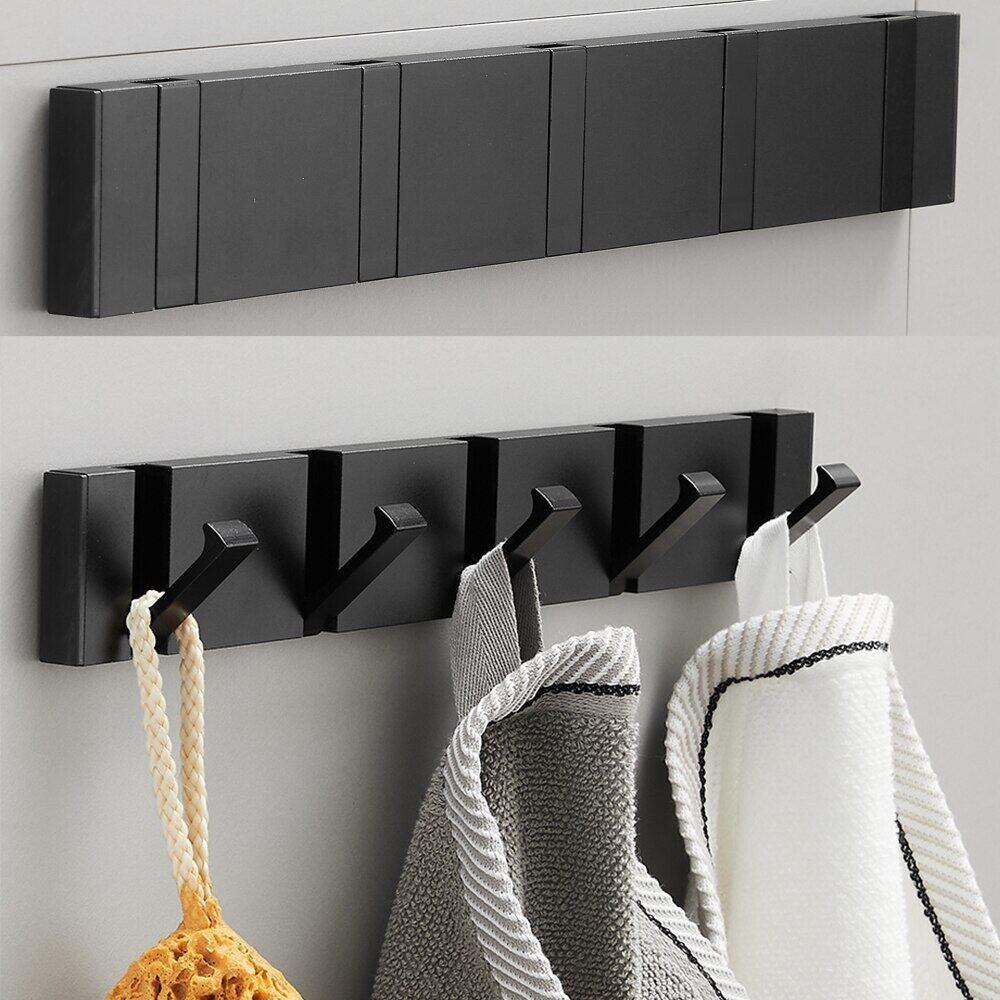
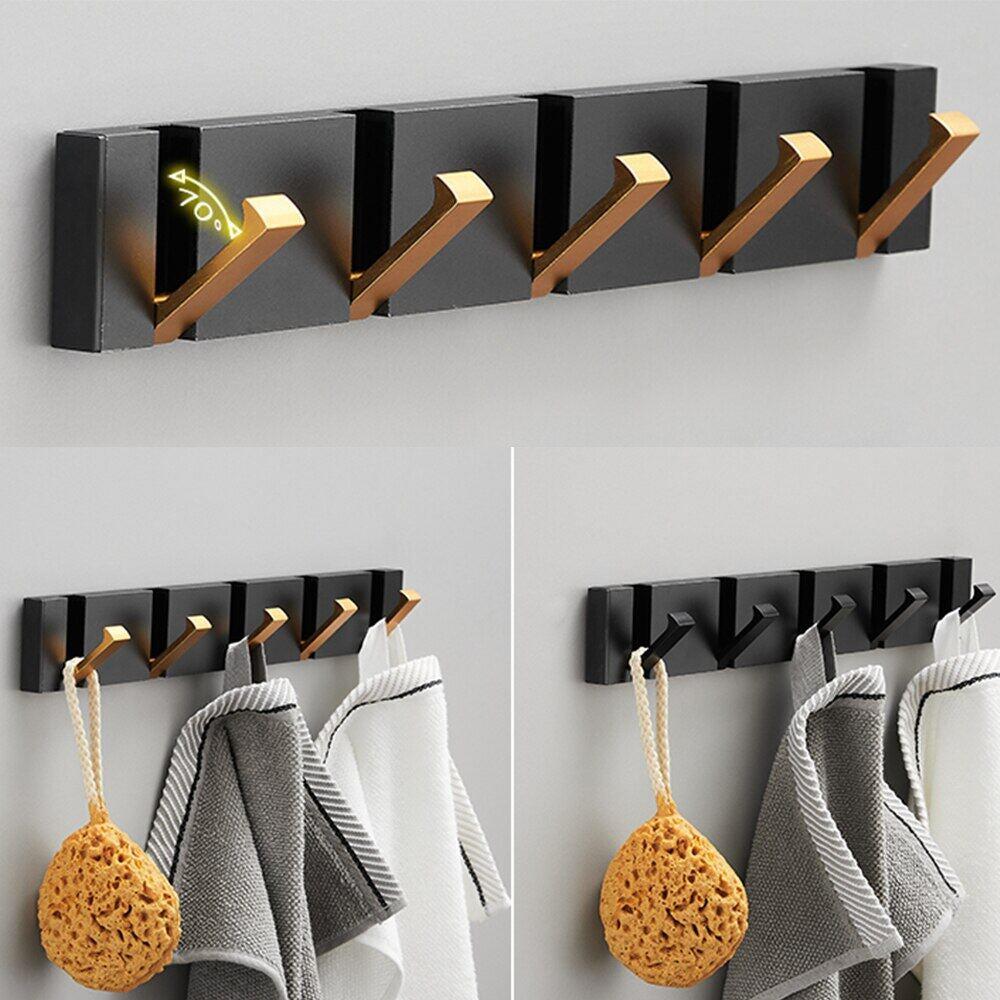
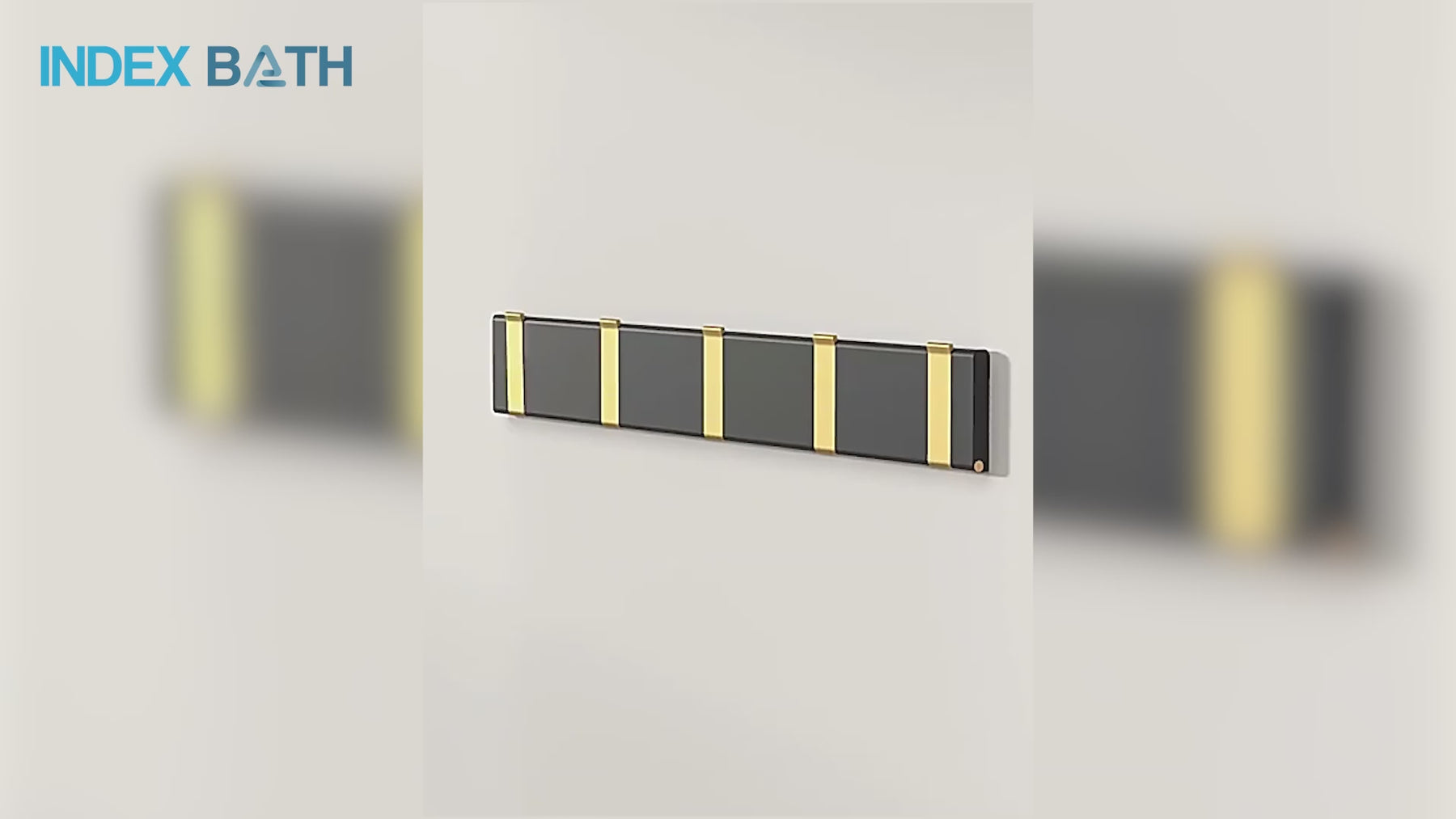
- Minimalist Wall Hooks: Ultra-compact single or double pegs installed behind doors or in shower dry zones for robes and looped washcloths.
Passive holders require zero electrical wiring, making them easy to install in under 15 minutes. When crafted from solid brass or SUS304 stainless steel by IndexBath, they provide lifetime durability against moisture without tarnishing or peeling.
The Case for a Vertical Heated Towel Rail

While standard wide ladder warmers can overwhelm compact bathrooms, a sleek vertical heated towel rail takes a revolutionary approach. Instead of stretching horizontally across several feet of precious drywall, it rises vertically as a single or double architectural column.
This vertical profile fits onto narrow wall pillars as slim as 8 to 12 inches—such as the awkward gap between a shower enclosure and a bathroom doorway. Utilizing modern internal dry-heating wire technology, these units heat up in 3 to 5 minutes without bulky liquid oils. They consume minimal electricity (comparable to a standard LED bulb) while keeping multiple towels and bathrobes warm and dry.
Direct Comparison: Traditional Towel Holders vs. Vertical Heated Rails
To help you weigh the functional differences for your master suite, powder room, or guest bath, review this side-by-side comparison:
| Feature | Traditional Towel Holders | Vertical Heated Towel Rail |
|---|---|---|
| Storage Method | Passive air drying (ambient temperature). | Active radiant dry-wire heat (warm & toasty). |
| Wall Footprint | Requires 18" to 32" horizontal width per bar. | Requires only 6" to 10" horizontal width (vertical height). |
| Drying Time | 4 to 8 hours (dependent on room humidity). | 45 to 90 minutes for complete drying. |
| Mildew Prevention | Low; towels often smell musty in humid rooms. | High; active heat eliminates bacterial growth. |
| Installation | Quick 15-minute DIY (drywall screws). | Straightforward plug-in or concealed hardwired power. |
| Price Range | Budget-friendly ($25–$80). | Affordable Luxury ($150–$350). |
Pros and Cons: Which Setup Fits Your Lifestyle?
Vertical Heated Rail Advantages
- Spa Comfort: Stepping out into a warm towel is an everyday luxury.
- Saves Laundry Costs: Linens stay fresh longer, reducing wash frequency.
- Space-Saving: Fits into narrow wall spaces where standard bars cannot go.
- Supplemental Heat: Emits soft ambient warmth that helps take the chill out of cold morning tiles.
Traditional Holder Advantages
- Zero Energy Consumption: Operates entirely without power.
- Total Flexibility: Can be mounted anywhere on drywall or cabinet sides without wiring.
- Budget-Friendly: Inexpensive to replace or coordinate during quick weekend updates.
- Easy DIY: Requires only a simple drill and drywall anchors.
How to Combine Both for the Ultimate Bathroom Layout
The most functional bathrooms in 2027 do not choose between passive and active storage—they integrate both through strategic zoning:
1. The Shower Exit Zone (Active): Mount your vertical heated towel rail directly adjacent to the glass shower door. This keeps your primary bath sheet warm and ensures you can wrap yourself up without dripping water across the room.
2. The Vanity Zone (Passive): Place a geometric hand towel ring or short 9-inch bar 18 to 22 inches above the vanity countertop, centered beside the sink basin for quick hand drying.
3. The Door / Robe Zone (Passive): Install two heavy-duty wall hooks on the back of the bathroom door or on high accent walls to hang bathrobes and dry hair wraps.
What USA Homeowners Say
Discover how homeowners across the United States have solved their towel drying and bathroom layout challenges:
"Our Seattle winters meant towels took all day to dry and constantly smelled damp. Installing the IndexBath vertical heated rail by the shower completely fixed it. Towels are bone dry in an hour and toasty warm."
"We matched IndexBath matte black towel bars with our sink faucet and added a vertical warmer for bath sheets. The combination looks like a boutique hotel and keeps our compact bathroom completely organized."
All of our faucets and shower products undergo a thorough water test at the factory before shipping to ensure proper functionality and quality. As a result, you may notice a small amount of residual water, moisture, or minor water spots when you receive your product. This is completely normal and does not mean that the product has been previously used or returned. Any water spots can be easily wiped clean with a soft, damp cloth.
Frequently Asked Questions
Do vertical heated towel rails consume a lot of electricity?
Can a vertical heated rail be mounted on regular drywall?
Do traditional towel bars dry towels fast enough in humid climates?
Can I hang bathrobes on a vertical heated rail?
Key Takeaways: Choosing Your Towel Storage
- Narrow Wall Solutions: Choose a vertical heated rail if your bathroom lacks wide horizontal wall space for conventional 24-inch or 30-inch bars.
- Eliminate Mildew Odors: If your bath towels stay damp and smell musty, active radiant heat is the only permanent solution.
- Zone for Convenience: Keep active warmers adjacent to the shower exit, and position passive rings beside the vanity sink basin.
- Insist on Rustproof Materials: Always verify that hardware is crafted from solid brass or SUS304 stainless steel to ensure rust-free longevity.
Upgrade Your Bathroom Comfort
Discover our curated collection of solid brass towel bars, space-saving hooks, and energy-efficient vertical heated rails designed by IndexBath to bring five-star luxury to your home.
Elevate Your Everyday Bath Ritual
A well-appointed bathroom should make your daily routine effortless and luxurious. Whether you choose the timeless simplicity of solid brass towel holders or the cozy warmth of a vertical heated rail, investing in thoughtful hardware keeps your space organized, fresh, and inviting. Transform your bathroom into a private wellness sanctuary today.