
Essential Plumbing Considerations for Your Remodel
Overview
Key plumbing considerations for a successful remodel include understanding your existing plumbing layout, choosing compatible fixtures, managing water supply and drainage effectively, selecting energy-efficient water heating systems, and preparing for emergencies. Embrace eco-friendly practices and plan for future needs to enhance both functionality and aesthetics in your renovated space.
Table of Contents
- Understanding Your Plumbing Layout
- Evaluate Existing Plumbing Infrastructure
- Consider Layout Changes
- Choosing the Right Fixtures
- Faucets and Sinks
- Shower Systems
- Water Supply Considerations
- Assessing Water Pressure
- Choosing Quality Pipes
- Drainage Design
- Understanding Slope and Venting
- Installing Cleanouts
- Water Heating Systems
- Choosing Between Tank and Tankless Water Heaters
- Regular Maintenance and Repairs
- Preparing for Plumbing Emergencies
- Know Your Main Water Shut-off
- Emergency Contacts Accessibility
- Embracing Eco-Friendly Practices
- Water-Saving Fixtures
- Greywater Recycling Systems
- Planning for Future Needs
- Anticipating Life Changes
- Smart Plumbing Solutions
- Elevate Your Space with Thoughtful Plumbing Considerations
Frequently Asked Questions
1. What should I evaluate before starting a remodel?
2. How do layout changes affect plumbing?
3. What factors should I consider when choosing faucets and sinks?
4. Why is proper drainage design important during a remodel?
5. How can I prepare for plumbing emergencies in my remodel?
Embarking on a remodel can be an exhilarating yet daunting task. One of the most crucial aspects of any renovation, particularly in spaces like bathrooms and kitchens, is plumbing. From optimizing layouts to ensuring efficient systems, several plumbing considerations can make or break your remodeling project. Let's dive into the essential plumbing aspects you should consider for your next remodel, ensuring it is not only aesthetically pleasing but also functional and efficient.
Understanding Your Plumbing Layout
Before starting your remodel, it's imperative to understand the existing plumbing layout. This knowledge will facilitate a smoother renovation process and help you avoid unforeseen expenses and complications.
Evaluate Existing Plumbing Infrastructure
Begin by assessing any existing plumbing systems in place. This includes piping, drainage, and water supply lines. Knowing what you currently have can guide decisions on whether to enhance, relocate, or replace plumbing elements during the remodel.
Consider Layout Changes
Should your new design require moving fixtures such as sinks, toilets, or showers, it is critical to understand how this impacts the current plumbing setup. Relocating fixtures can be particularly complex and may necessitate significant changes to your water and drainage lines.
Choosing the Right Fixtures
Your choice of fixtures can significantly influence functionality and efficiency in your space. The right selection can also contribute to overall aesthetics, making it an essential consideration during your remodel.
Faucets and Sinks
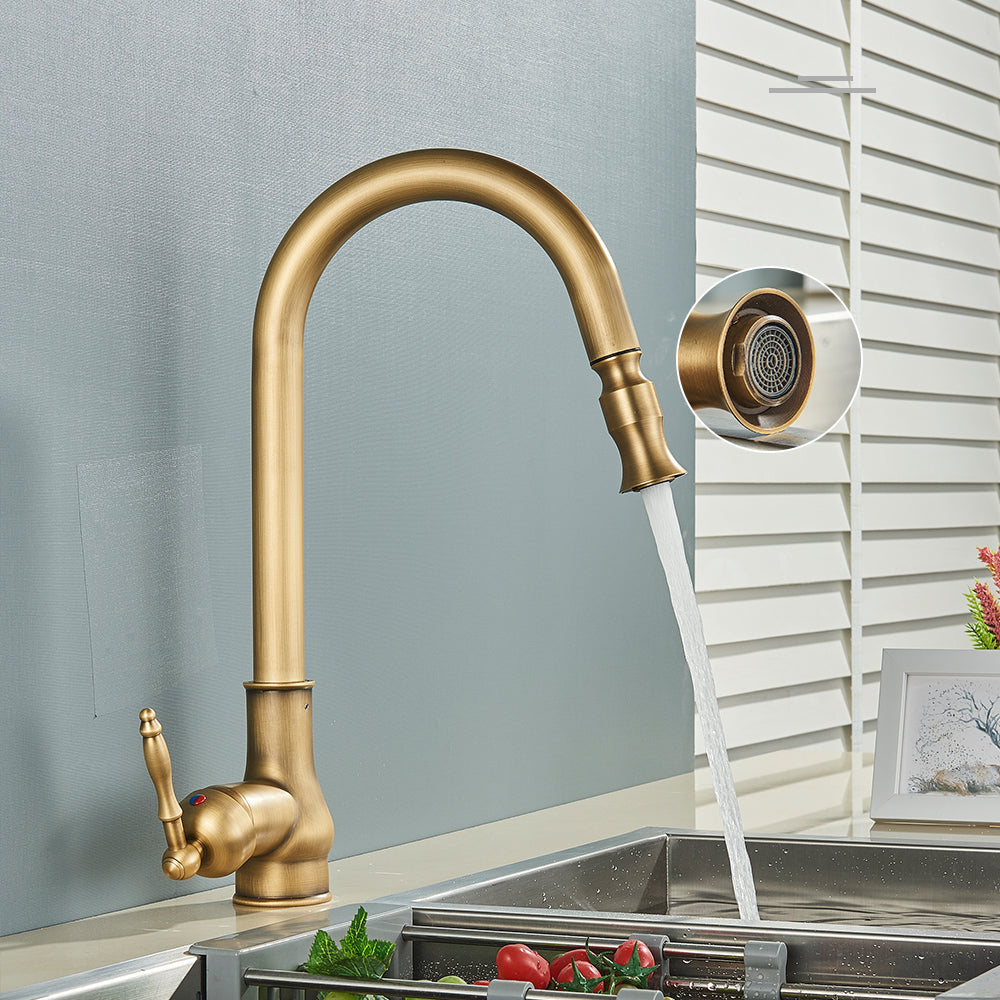
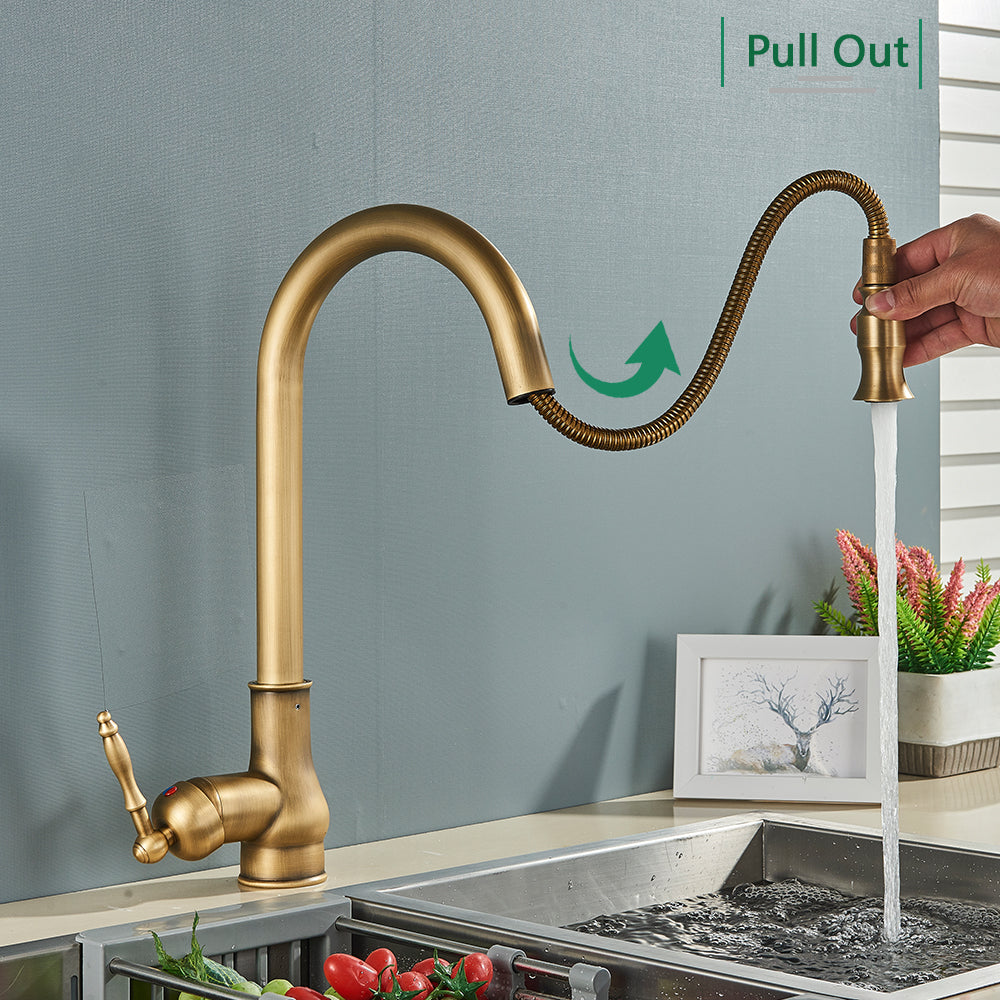
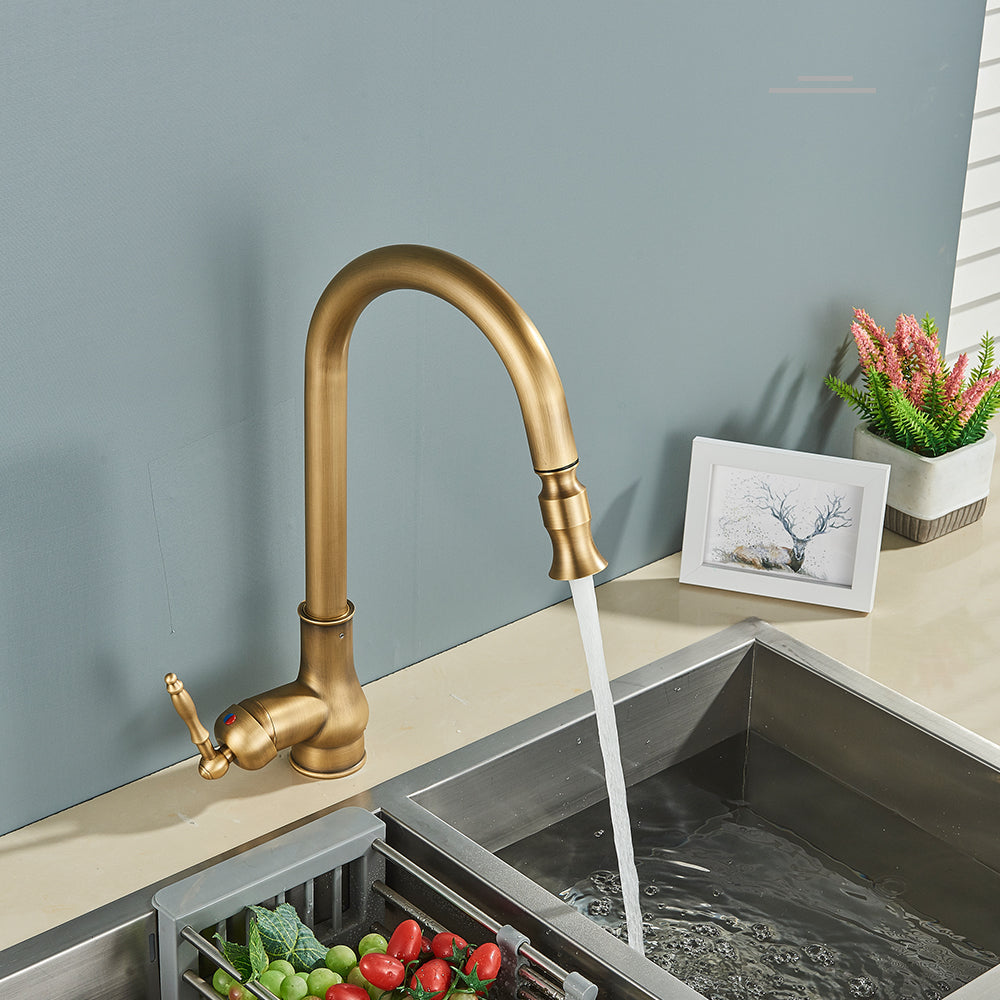
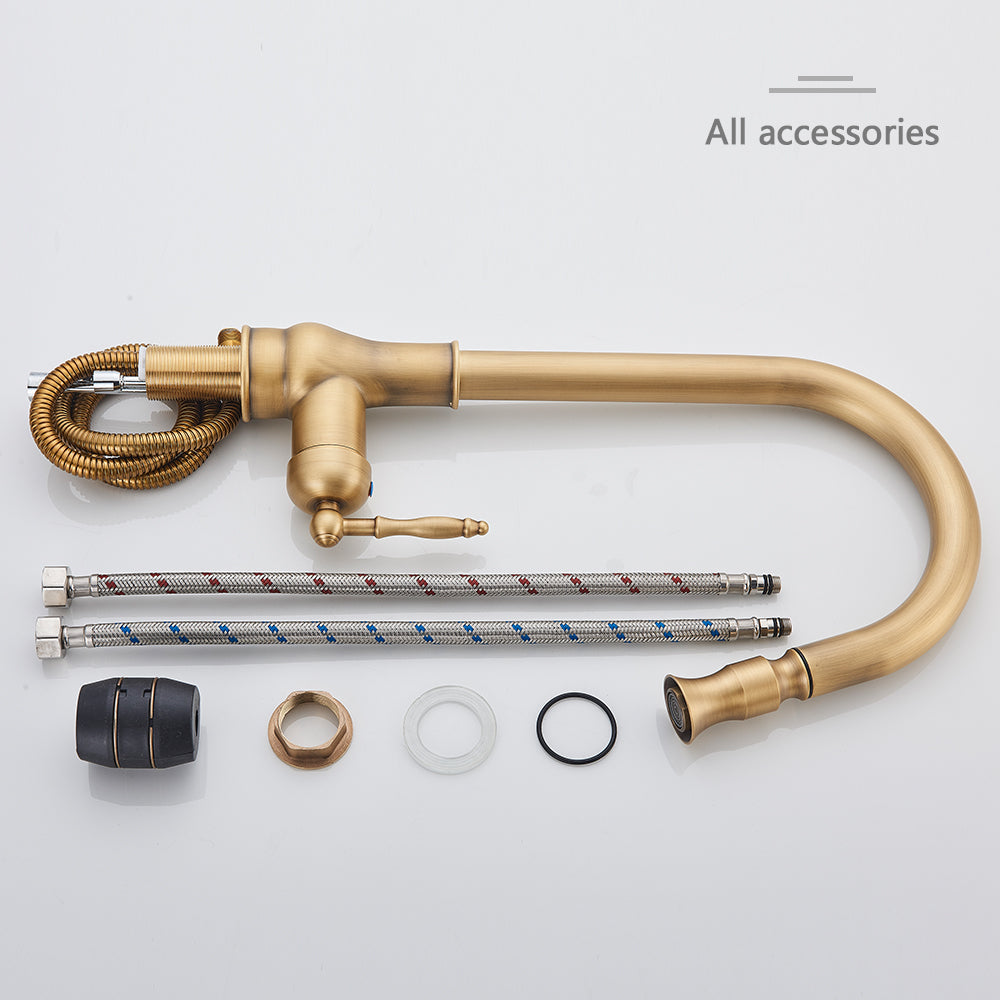
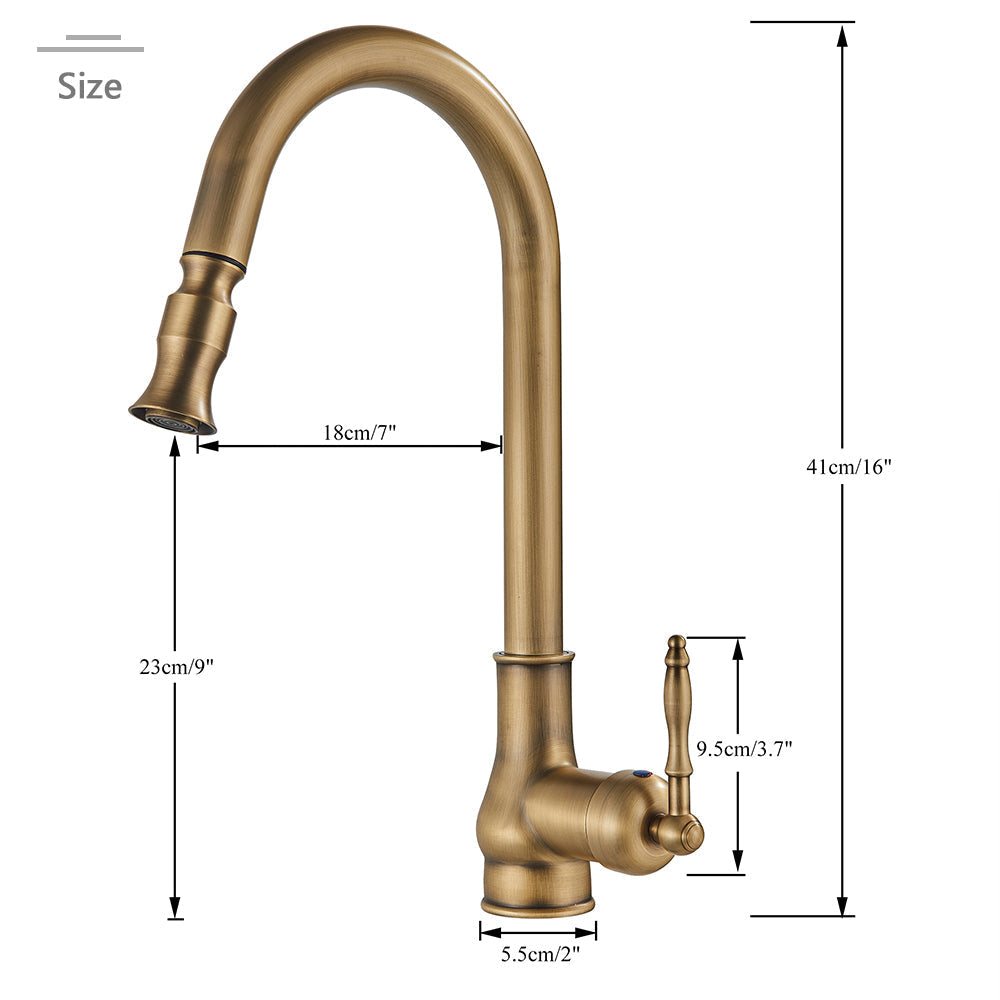
When selecting faucets and sinks, consider their compatibility with the existing plumbing infrastructure. Also, choose fixtures that enhance water conservation, as modern technologies can help save on your water bill while also being environmentally friendly.
Shower Systems
In upgrading your shower systems, you might want to explore thermostatic shower valves. These valves maintain desired water temperatures by automatically adjusting the hot and cold water mix, ensuring a comfortable shower experience. Should the need arise for repairs, understanding how to perform thermostatic shower valve repair becomes invaluable, as it can significantly enhance the longevity of your shower system.
Water Supply Considerations
Proper water supply management is vital for any successful remodel. This includes evaluating pressure, flow rates, and the materials used in plumbing lines.
Assessing Water Pressure
A thorough inspection of your household's water pressure is important. Low water pressure could indicate underlying issues that may need addressing. In contrast, high water pressure can lead to wear and tear on fixtures, increasing the potential for leaks and repairs down the line.
Choosing Quality Pipes
Material selection for your water supply lines should never be overlooked. While alternatives like PVC and PEX are popular for their flexibility and resistance to corrosion, copper remains a favorite for long-lasting durability. Ensure that whatever material you choose meets local building codes and is suitable for your specific needs.
Drainage Design
Equally important is your drainage design. Proper drainage is crucial to prevent blockages and leaks that can cause extensive damage and costly repairs.
Understanding Slope and Venting
At the heart of effective drainage is an understanding of slope. Pipes need to be sloped correctly to facilitate gravity flow and prevent clogs. Additionally, incorporating proper venting is necessary to avoid vacuum formation, ensuring that wastewater flows freely through the drain lines.
Installing Cleanouts
Consider installing cleanouts in accessible areas. Cleanouts allow for easy access to your drains, making it simpler to clear blockages without extensive demolition work. They save both time and hassle in maintenance responsibilities.
Water Heating Systems
Water heaters are a pivotal aspect of plumbing that often goes overlooked during remodels. An efficient water heating system ensures that you enjoy consistent access to hot water.
Choosing Between Tank and Tankless Water Heaters
Tank water heaters store heated water for use, while tankless systems heat water on demand. The latter can save space and offer energy efficiency, particularly in smaller homes. Whichever system you choose, ensure it meets the demands of your household while utilizing effective plumbing connections.
Regular Maintenance and Repairs
Once your new water heating system is installed, regular maintenance is key. Rinse your water heater annually to eliminate sediment build-up, which can lead to inefficient heating and the potential for costly repairs.
Preparing for Plumbing Emergencies
No remodel is complete without considering how to prepare for plumbing emergencies. Consider the following strategies to minimize disruptions.
Know Your Main Water Shut-off
Familiarize yourself with the main water shut-off valve to control water flow to your home. Knowing its location can be invaluable during an emergency, allowing you to prevent excessive water damage.
Emergency Contacts Accessibility
Compile a list of trusted plumbers and emergency contacts to have on hand during your remodel. Quick access to knowledgeable professionals can save you time and stress in the event of a plumbing issue.
Embracing Eco-Friendly Practices
In today's environmentally-conscious world, integrating eco-friendly practices into your remodel is more important than ever. Sustainable plumbing choices can lead not only to an eco-friendly home but also long-term savings.
Water-Saving Fixtures
Opt for water-saving fixtures such as low-flow toilets and faucets. These fixtures significantly reduce water consumption without sacrificing performance, contributing positively to both your utility bills and the environment.
Greywater Recycling Systems
While perhaps a more extensive investment, greywater recycling systems can help you reuse water from sinks, showers, and laundry for irrigation and toilet flushing. This can significantly reduce your overall water usage.
Planning for Future Needs
Lastly, considering future needs is an essential aspect of your plumbing remodel. As your needs evolve, so too should your plumbing capacity.
Anticipating Life Changes
Whether you plan to grow your family or expect an influx of guests, choose plumbing systems that can accommodate increased water usage. Larger pipes, additional fixtures, or even upgrading to a more efficient water heater can better serve future demands.
Smart Plumbing Solutions
The rise of smart homes also promotes advanced plumbing solutions. Smart leak detection sensors, for instance, can notify you of leaks before they become severe problems, potentially saving you on repairs in the long run.
Elevate Your Space with Thoughtful Plumbing Considerations
Remodeling your home is an exciting endeavor that allows you to express your personality while improving functionality. By carefully considering your plumbing requirements, you can ensure your remodel’s success. Whether opting for a chic new faucet, ensuring proper drainage, or being proactive about maintenance, these decisions significantly contribute to your home's efficiency and comfort.
Incorporating the aforementioned plumbing considerations can make your renovation seamless and enjoyable. Invest the time to plan carefully, and your remodeled space will be both beautiful and highly functional for years to come. Cheers to creating a home that truly reflects your style!
Glossary
| Term | Meaning |
|---|---|
| Plumbing Layout | The arrangement of pipes, fixtures, and drainage in a space. |
| Drainage | System designed to remove wastewater and prevent blockages. |
| Water Supply Lines | Pipes that deliver fresh water to fixtures in a home. |
| Thermostatic Shower Valve | A valve that maintains consistent water temperature in showers. |
| Cleanouts | Access points in plumbing for clearing blockages easily. |
| Tankless Water Heater | A system that heats water on demand, saving space and energy. |
| Water-Saving Fixtures | Devices designed to reduce water consumption without losing performance. |
| Greywater Recycling | System that reuses water from sinks and showers for irrigation. |
| Smart Plumbing | Technology that enhances plumbing efficiency and detects leaks. |
| Main Water Shut-off | Valve that controls water flow to the entire home. |
Linked Product

Brass Replacement Thermostatic Cartridge Shower Mixer Valve Repair Kit
The Brass Replacement Thermostatic Cartridge Shower Mixer Valve Repair Kit is designed to restore precise temperature control to your shower, ensuring a comfortable experience without sudden fluctuations. Its durable solid brass construction provides long-lasting performance and corrosion protection. The kit offers an easy DIY installation, making it a practical solution for a variety of bar mixer taps and thermostatic shower valves.
View Product